I sit between the business question and the data. I talk to stakeholders, figure out what they actually need, clean the mess underneath, and ship something they keep coming back to.
10-second version of each project. Click for the full story.
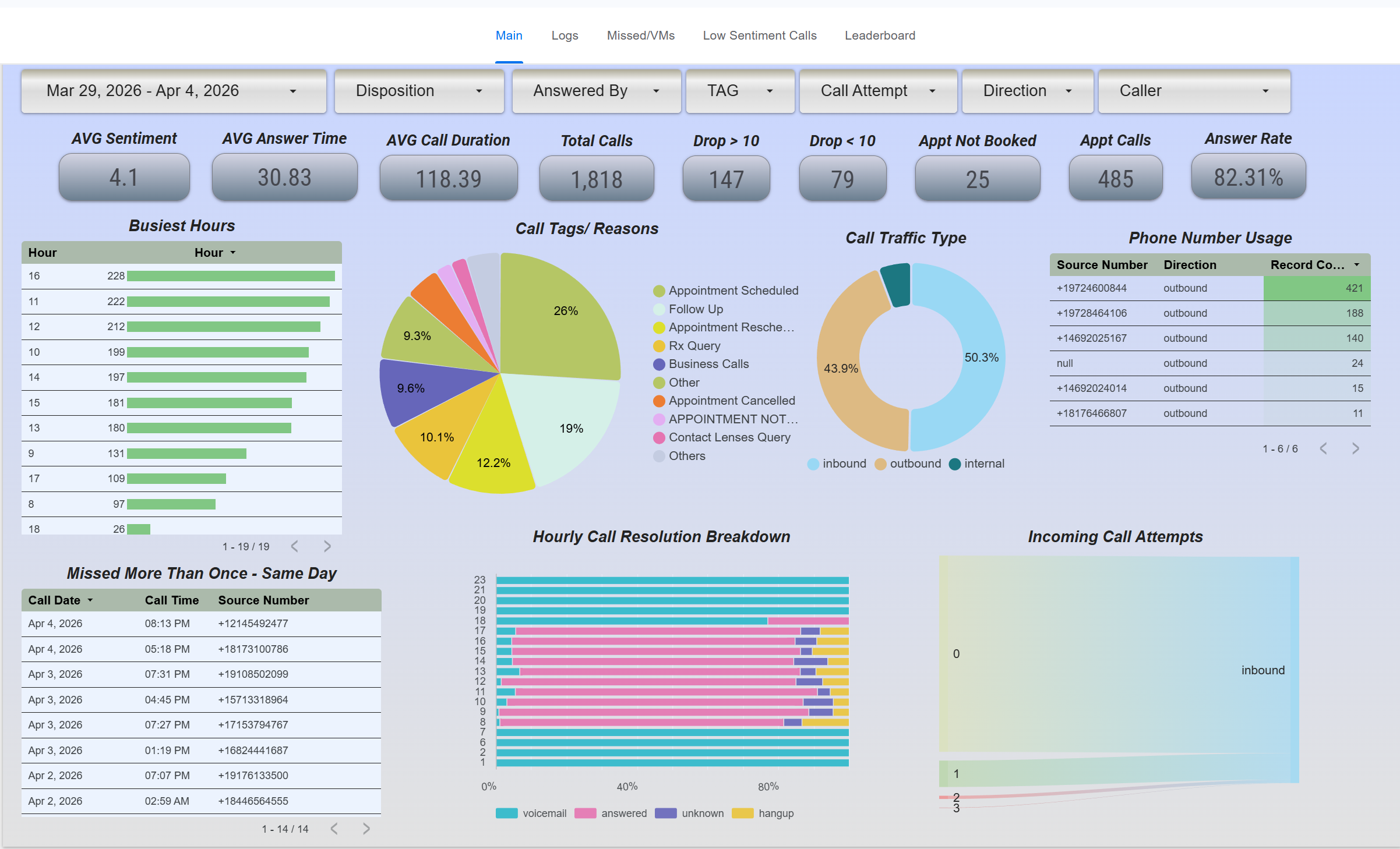
Call logs were fragmented and manually reviewed, which made it hard to track call volume, sentiment, or patient communication issues across practices.
Built a real-time pipeline with scraping, event-driven workflows, and sentiment analysis, then standardized reporting across multiple practices.
Safety lead spent hours pulling incident data from 15 years of FAA records. Reports were always late.
Built an ops dashboard with incremental refresh and row-level filters across the full dataset.
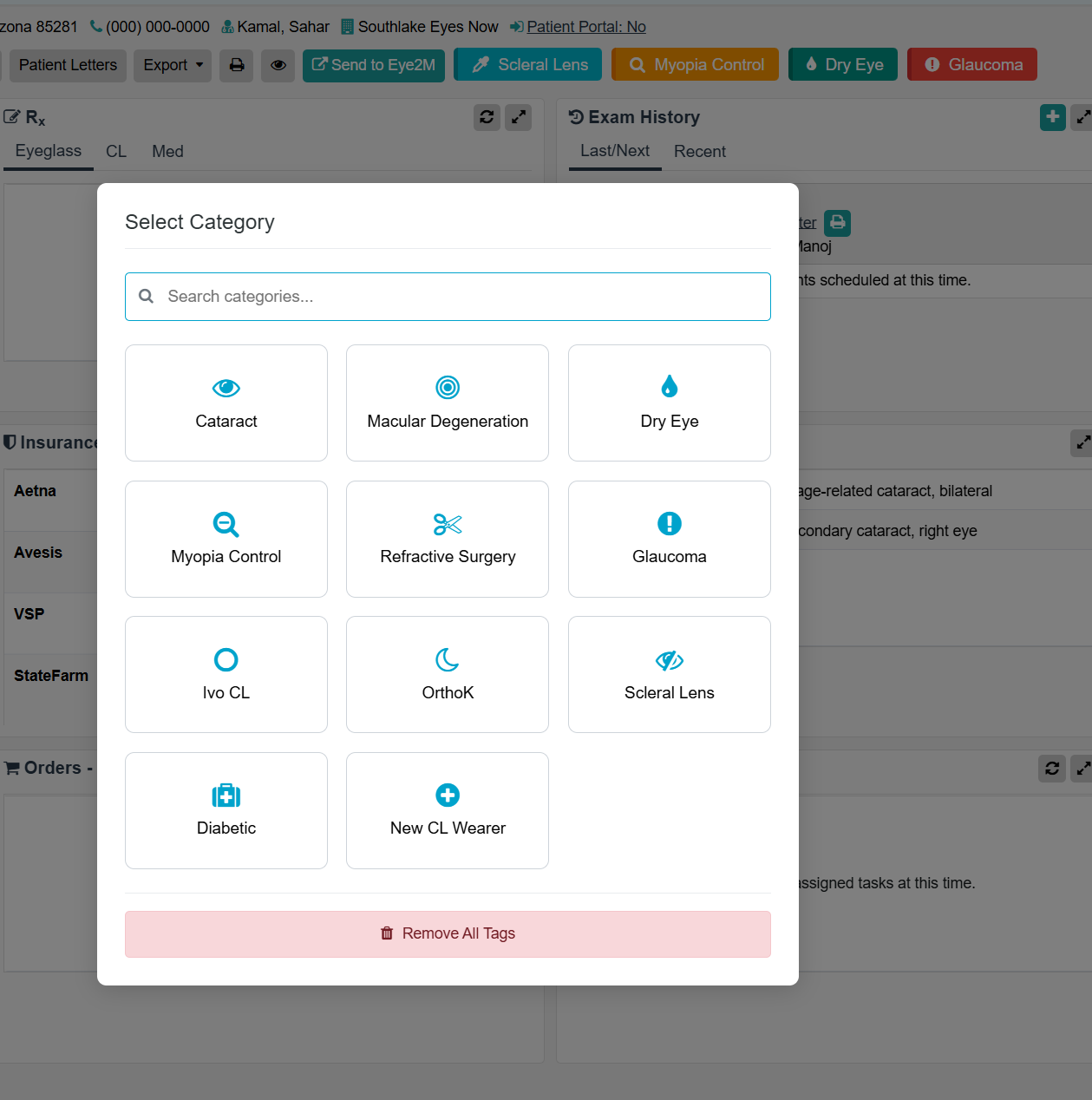
Providers manually enrolled patients into education and follow-up programs across disconnected systems, causing delays and inconsistent outreach.
Built EHR-integrated workflow automation so staff could enroll patients in one click and trigger compliant engagement flows behind the scenes.
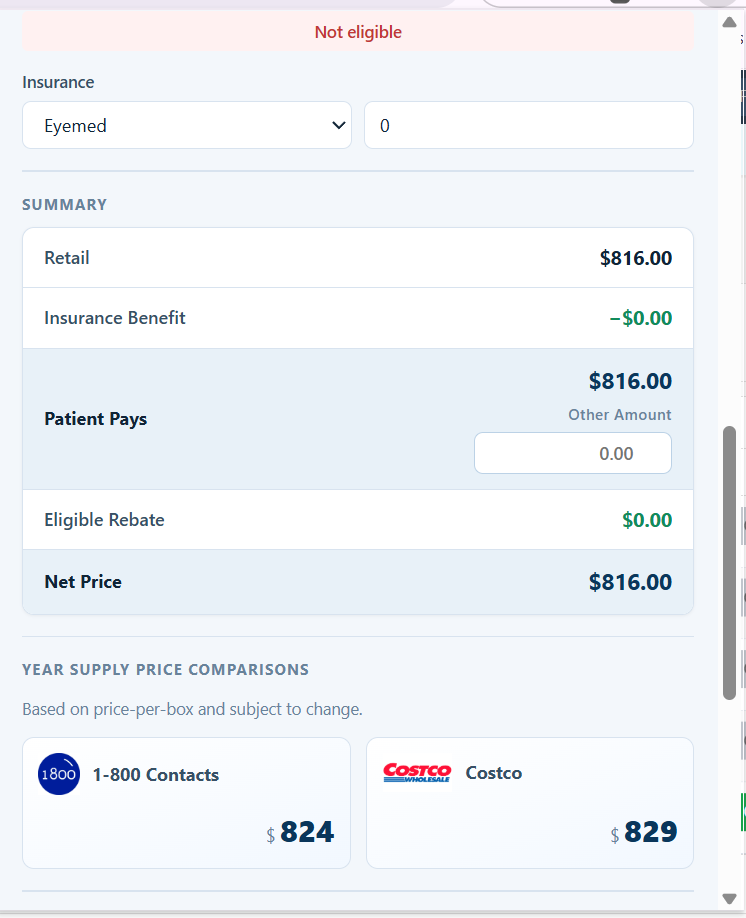
There was no systematic source for product-specific competitor pricing, so teams relied on intuition or last year’s numbers.
Built a centralized pipeline to capture live competitor pricing and surface recommendations for multiple products and practices.
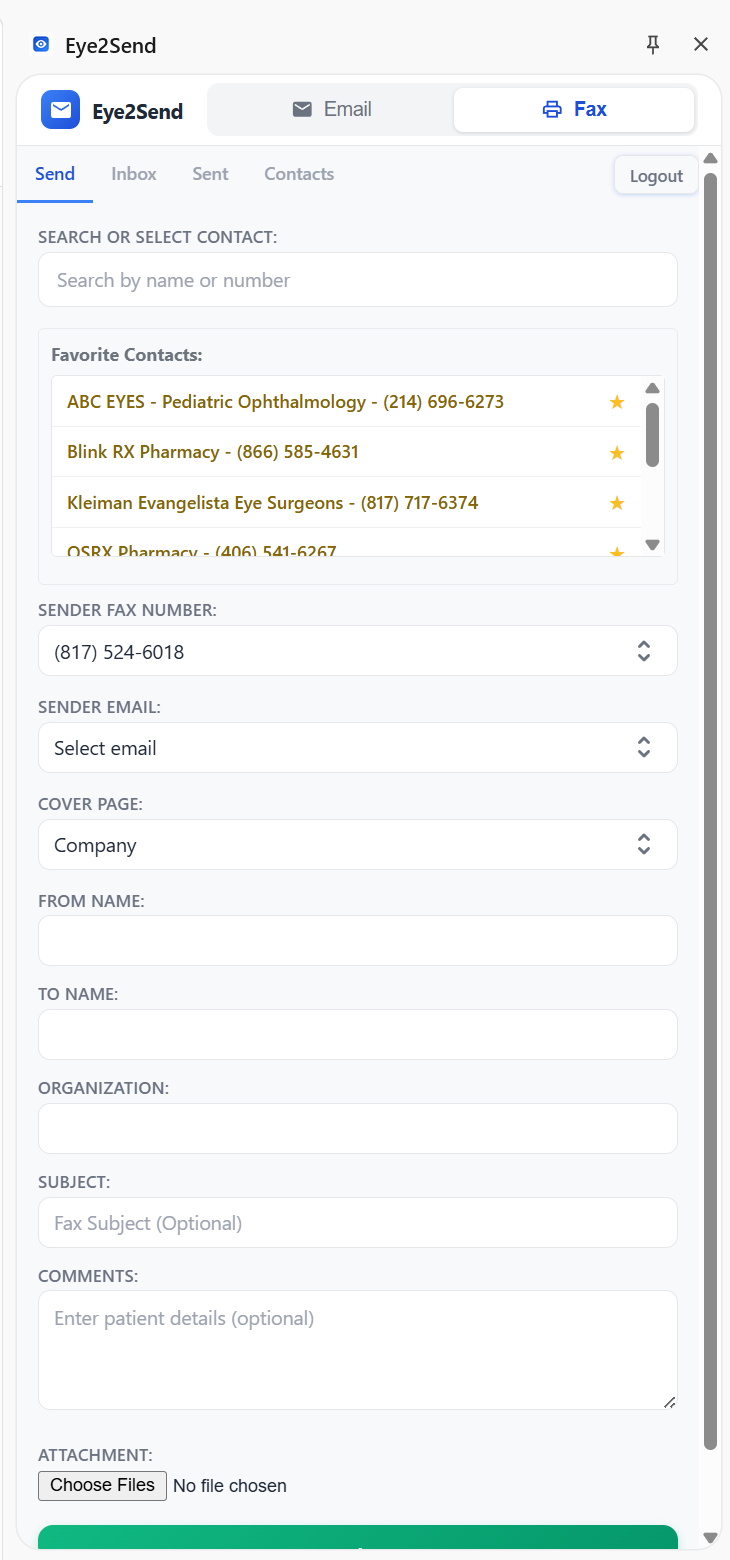
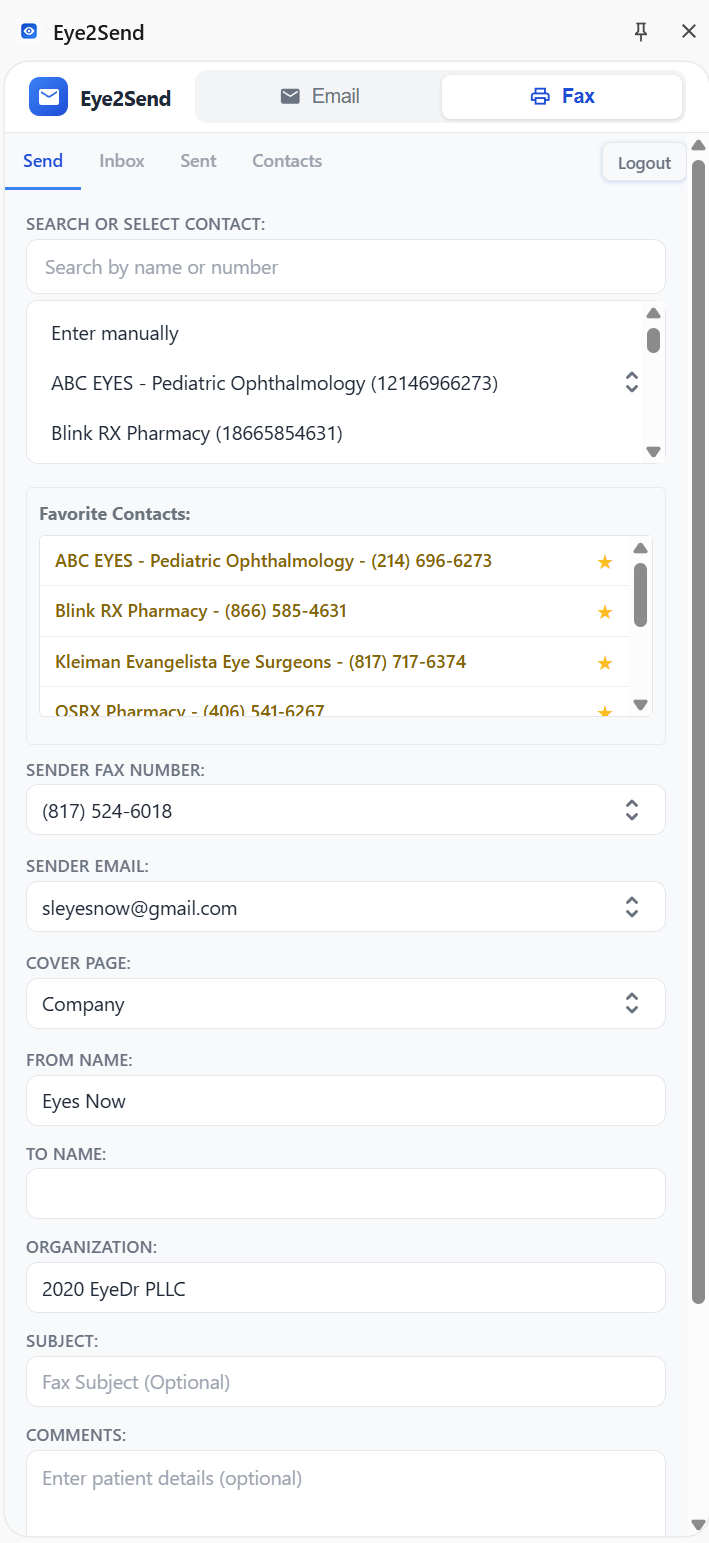
Clinicians spent 5+ minutes per patient manually sending documents via email or fax from the EHR, which created hours of lost time and more errors.
Led a team of 4 to automate document distribution inside the EHR, streamline cloud operations, and build a process that matched clinician workflows.
The real work behind each role.
Translate clinic operations questions into forecasting dashboards, sharper KPI design, and decisions leaders can act on.
Automated the reporting pipeline from raw client data to model-backed dashboards so teams could move faster with less manual prep.
Worked with advisors and student services to turn fragmented reporting into clearer workflows, faster follow-up, and better student support visibility.
I’ve always been drawn to healthcare because I’ve seen firsthand how messy or incomplete information can affect people’s lives. My parents once had a provider mix up their billing, and no one could explain what happened. Moments like that stuck with me.
I gravitate toward problems where data friction hides the real answers, and I enjoy being the person who untangles it. On a day-to-day basis, I work with stakeholders to define meaningful metrics, write SQL until the numbers tell the story, build dashboards people actually use, and automate tasks that shouldn’t be done manually.
Causal inference, uplift modeling, reimbursement rules. Applying these to patient outreach and payment integrity.
Stabilized a churn model that was spiking on seasonal campaigns. Used temporal CV and feature caps.
Missed demand swings once because I didn’t account for holidays. Now I ship alerts and holiday-aware baselines with every forecast.
Highlighted ones are daily drivers.
Risk scoring, cohorting, time-series forecasting — validated to match the business cadence.
Own the pipeline from source to dashboard. Keep refreshes observable and recoverable.
Dashboards tuned for decisions: filters that map to workflows, annotations over animation.
Versioned notebooks, drift alerts, runbooks so stakeholders stay unblocked when things break at 2 AM.
Click any card to view the full certificate.
Working on healthcare analytics, ops, or decision support? I’d like to hear about it.
Dallas–Fort Worth, TX (open to remote)